About burgesonfamilyfarm

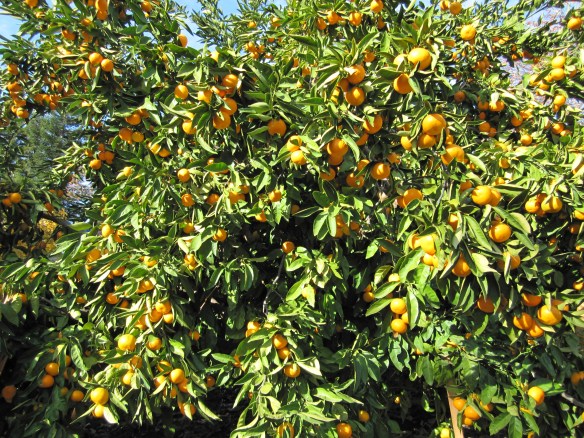
Our small farm is located in Newcastle, which is in the Sierra Foothills region of Placer County, California. The Newcastle area has a unique micro-climate that is famous for producing especially sweet, flavorful Satsuma mandarin oranges. We sell Satsuma Mandarins, Meyer Lemons, Limes, Blood Oranges and Oro Blanco Grapefruit directly from our farm, and we ship boxes of our citrus throughout the U.S.

Farm Bill passes Senate, on to the House. California and fruit and vegetable farmers get burned again.

The passed Senate version of the farm bill eliminates direct farm subsidies and instead subsidizes crop insurance subsidies.  At first glance I thought this would be a benefit to California and fruit and vegetable farmers as specialty crops were not excluded from insurance subsidies (Most fruits, vegetables and nuts are considered to be “specialty crops” in the bill, with their own separate programs). However, I did some further research and found that at this time vegetable crops do not participate in crop insurance  at all, and fruit farmers on a limited basis only. The way crop insurance is designed, most fruit and vegetable farmers do not benefit from the programs. In fact, although California pays 12 percent of all the federal taxes, and half of the fruits and vegetables grown in America are produced in California,  only 12 percent of California farmers participate in crop insurance at all. Of the total subsidies for crop insurance distributed in the past, California farmers as a whole received less than 3 percent! I urge you to consider signing my petition here, so we can put pressure on the House of Representatives and the president to eliminate the subsidies for unhealthy foods which are being subsidized by all Americans including fruit and vegetable farmers.


Farm Bill Update

I read the farm bill that has passed on from the committee to the floor in the Senate and by my reading it has made the following changes in the farm subsidy program. These changes continue to be amended however this is what I have read so far.

They have stopped direct farm subsidy payments altogether and replaced these with a crop insurance payment subsidy. The crop insurance payment subsidy will be available to fruit, nut and vegetable growers whereas direct farm subsidies were not.  They are attempting to develop a crop insurance program for organic growers as well. They also have limited the crop insurance subsidy to farmers making less than 750,000 per year and the farmer must be directly involved in the farm. The maximum amount that can be paid to any one farmer to subsidize their crop insurance is 50,000.

The House bill is still in committee but historically it has continued the practice of supporting big ag and unhealthy food while limiting support to fruits, vegetables and nuts and has consistently supported cuts to nutrition programs. We will need to continually ride the House to move to a more reasonable direction.

In order to do this I have prepared a petition to submit to our representatives encouraging them to stop the subsidies at this link.

The concern expressed by Mark Bittman is that subsidized crop insurance encourages risk taking by the farmers, and it still subsidizes corn and sugar as much as healthier foods. I think the 50,000 dollar limit might control some of that and I do think these are welcome changes to the Senate bill, as they are reining in some of the worst problems I have seen in past agricultural policies, though they have not gone as far as I would like. Maybe baby steps is all we can hope for?

What do you think? Please post any comments here. Thanks.

The Farm Bill: Unhealthy for You, Unhealthy for California Farms

veggies farm market

beets and carrots farm marketBeautiful displays of healthy food at a California Farmer’s Market showing foods receiving minimal subsidies.

Slide36Display of foods made from ingredients heavily subsidized

I think almost every American feels that small family farms should be supported. Stories of ancestors who lost their farms during the great depression are a part of many of our family’s heritages, including my husband’s. If farming in America were to decline, the consequences for our food security could be dire.

However, from good intentions of protecting farms, our government seems to have created a federal monster that is harming the health of America. The farm subsidies (including crop insurance subsidies) in the farm bill are an example of a federal program gone astray by a broken political process.

America is suffering from an obesity crisis, yet rather than addressing this by providing subsidies to healthier foods, or at least NOT SUBSIDIZING less healthy foods, the farm bill continues to subsidize the foods that are causing us to become fat and unhealthy. The numbers associated with the subsidies to California farmers tell much of the story.

California produces more dollar value of agricultural crops than any other state. It is FIRST on the list of agricultural producers, followed by Texas, Iowa, Nebraska, and Minnesota. However, the types of crops produced by the top states differ significantly. Most tellingly, California produces one half of all the fruits, nuts and vegetables grown in the US. ONE HALF of all the foods that have been shown to be some of the healthiest components of a traditional Mediterranean diet. ONE HALF of the agricultural foods Americans need to be eating more of…

If the farm subsidies in the farm bill were in any way tied toward a reasonable agricultural policy, it would seem to me that they should provide some support to the California farmers who are putting fruits and vegetables on the plates of America. Ideally, these subsidies would help keep fruit and vegetable farmers in business and assure reasonable prices of these foods so Americans could afford them. Or at least, they would not subsidize farmers growing less healthy food (such as corn to produce high fructose corn syrup). But sadly, this is untrue. Instead, the majority of the farm bill agricultural subsidies (including crop insurance subsidies) go to large wealthy farmers producing 5 crops: corn, soybeans, rice, wheat and livestock. In addition 70 percent of the farm subsidy payments (including crop insurance subsidies) go to 10 percent of the farms in America.

Even if things were just fairly distributed, with no preferred crops, it would seem that the top states in agriculture production would be those that got the most subsidies. For example, Texas, Iowa, Nebraska, California and Minnesota should be in the top 5 in terms of the states receiving agricultural subsidies. That seems at least fair. And in fact, Iowa is first, Texas is 2nd, Nebraska is 4th and Minnesota is 5th in terms of the percentage of farm subsidy receipts.

But get this: although California is first in agricultural production and produces the most of what I call “healthy food”, and California pays more federal income taxes than any other state, California farmers are tenth in terms of their receipts of Farm Bill subsidies.

Even more disconcerting are the numbers behind California’s farm subsidy receipts. Almost all of the receipts go to producers of cotton, rice, wheat, livestock and corn. Almost  NONE of the farm subsidies go to producers of fruits, vegetables and nuts.  Even tobacco farmers in other states receive more subsidies than California fruit and vegetable farmers. Over 90 percent of California farmers receive no subsidies, and  much of the farm bill subsidies are now going to large, wealthy farm conglomerates.The environmental working group has prepared an excellent analysis of the negative impact of the farm bill priorities on farming in California and it is available at this link. 

The simple math of the farm bill’s impact on California is this:

  • California taxpayers pay 12 percent of all the federal taxes collected
  • California farms produce 13 percent of all the agricultural crop revenue in America
  • California farms produce 50 percent of all the fruits, vegetables and nuts grown in America but
  • California farms receive only 4 percent of the farm subsidies in the farm bill and almost none of those subsidies are for fruit, vegetable or nut production

The way this adds up to me, California fruit and vegetable farmers are paying extra taxes to support corn, wheat, rice, soybean, and livestock producers. This is just plain wrong. I know so many California fruit, vegetable and nut farmers who are struggling to make ends meet. The price of good agricultural land in California is going up every day, and pressure to sell the land for development is an ongoing temptation faced by California growers. This lack of support by the federal government for California farmers adds insult to injury.

Every time the Farm Bill works it’s way through Congress these inequities are debated and changes are discussed, and every time the bill that finally passes continues this same pattern of encouraging growers of corn, wheat, even tobacco, more than the farmers growing the foods that Americans SHOULD be eating. The farm bill is being debated right now, and the bill that has passed on for a vote in the Senate last week continues the same old pattern. In an attempt to disguise the pork, they are now attempting to reassign some of the direct payment subsidies to additional “crop insurance subsidies” but it is just more of the same. There is an excellent blog post by Mark Bittman of the New York Times addressing that specific component of the program.

I urge you to call your representatives and tell them to stop giving subsidies (including crop insurance subsidies) to unhealthy foods and big ag. The way I see it, if they can’t redesign farm supports to encourage healthy eating, or at least be fair in their distribution of support for different states with different crop profiles, then they should stop subsidizing farms altogether.

The California Mediterranean Diet

This week the “Mediterranean Diet” has been in the news. The prestigious New England Journal of Medicine published a Spanish study which supported the benefits of the traditional Mediterranean Diet in reducing heart disease in a high risk population.  As in previous studies discussed elsewhere on this site, this study showed that a diet based on fruits, vegetables, legumes, whole grains and fish, as well as liberal amounts of fat from olive oil and nuts, is associated with good health.

Since I am a Registered Dietitian and the title of this site includes the term “Diet”, it is reasonable that readers might be interested in what I recommend as a healthy eating plan. As I have stated in previous posts I define the “California Mediterranean Diet” as a symbiosis of the healthy foods and eating patterns associated with the old food ways of the Mediterranean, and the new and modern creativity and environmental consciousness of California cuisine. Below is a rough guideline of how I recommend interpreting the California Mediterranean Diet when planning menus. The ranges show the minimum and maximum amount of food in each category. Younger more active men need higher amounts. Less active, older women need lower amounts. In addition the amounts vary from day to day to allow flexibility with menus but this provides a rough outline of the average intake I recommend.

This is not a diet prescription for any specific medical conditions or for weight loss.
If you have a specific medical condition requiring diet modification I urge you to make an appointment with a Registered Dietitian for further guidance.

Note:  The California Mediterranean Pantry list on this site contains specific recommendations for brands and types of foods marked with * .

These are the foods to eat every day and the approximate amounts per day:

Slide13    Vegetables*: 5-12 servings per day:

A serving is 1 cup raw or ½ cup of cooked vegetables. Onions, garlic and tomatoes should be used frequently.

Slide12Fruits*: 3-6 servings per day.

A serving is ½ cup raw fruit such as berries, 1 medium piece of fruit or ¼ cup of dried fruit. It may include up to ½ cup of natural fruit juice (such as pomegranate or citrus) as one serving of fruit per day.

Slide17

Nuts or nut butter*: ½ to 2 ounces daily

Slide15

 Whole grains*: 3-8 ounces per day

 An example of 1 ounce is 1 slice of whole grain bread or ½ cup of cooked grain such as brown rice, oats, whole grain pasta etc.

yogurtNonfat or 1% milk products: 2-3 servings per day:

A serving is 1 cup 1% milk or 1 cup nonfat yogurt or 1 cup Greek yogurt

Slide16   Extra Virgin Olive oil*: 1 to 4 Tablespoons per day

These are the foods to eat on a weekly or almost weekly basis and the amounts per week:

Slide14   Legumes (cooked dry beans and peas)*: 3 -6 cups per week

Slide18  Fish: 6-15 ounces per week

chicken    Chicken:  6-15 ounces per week

The following foods are not necessary but can be eaten weekly in the following amounts if desired:

cheese 2Low-fat (preferred) or whole milk cheese: 0-3 ounces per week

oil and margarine  Non-hydrogenated soft tub margarine, mayonnaise, canola and/or grapeseed oil: 0-3 Tablespoons per week *

butter  Butter: 0-2 Tablespoons per week

red meat 3Red Meat: lean cuts of grass-fed beef, lamb, pork: 0-8 ounces per week

eggs Whole Eggs: 0-3 per week

chocolate  Dark chocolate:0-3 ounces per week

sugars and sweeteners   Sweeteners (honey, agave syrup, maple syrup, organic sugar):

  0-7 Tablespoons per week

The foods listed below are foods to eat less frequently than once a week. They are foods eaten mostly for entertainment, not nutritional value. They are not a necessary part of the diet but would be fine to have on occasion if desired:

Fatty cuts of meat such as pork shoulder, ribs, bacon, sausage, salami, marbled beef steaks, etc.
Ice cream
Homemade baked goods (cookies, pies, cakes, etc.) and other baked foods/breads made with white flour and sugar
Candy
Cream
Gravy, cream sauces

There are a lot of foods I do not recommend eating so I did not bother to list those but they are mostly processed foods such as: fast foods, foods with artificial flavors and colors, baked goods made with shortening, sodas…you know…junk food.

Slide36Packaged processed snack foods are not part of a California Mediterranean Diet!

Slide35Processed, nitrate-preserved meats, and packaged meals are not part of a California Mediterranean Diet either!

Vitamin Mineral Supplements:

Women over 50 may benefit from Calcium Citrate (The most easily absorbed form of calcium): 1200 mg per day with Vitamin D.

Men and women over 50 may benefit from B complex (mostly for B12)

If fish intake is on the low end of the range consider omega-3 fatty acids (fish oil). 1200 mg total EPA plus DHA per day.

(If you have any medical conditions or are taking any prescription medications check with your doctor or dietitian before starting any supplement regimen)

Preparing for the 2013 Summer Garden

For the last few weeks our dining room has been a bit of a mess. It has large south-facing windows, so this time of year it becomes a surrogate greenhouse of sorts. Seeds of our favorite garden annuals from previous years are started in these little Jiffy greenhouses.

Slide29The first plants we start are the slower growing peppers, tomatoes, and eggplant. Then we will move on to the squash and melons.

Last year we really overdid it with the garden. We planted 30 types of tomatoes and a boatload of eggplant, squash, peppers and melons. A lot of what we grew was just not that great, including heirloom tomatoes susceptible to disease and with poor taste, bitter eggplants, peppers with thin walls…So I made a list of my favorites at the end of the year, and I am doing my best to stick with those this year and keep things smaller.

These are the tomatoes that “made the cut” for replanting again this year :

For the best flavor and reasonable amount of disease resistance for an heirloom I chose:

Slide90For the earliest, most productive and most disease resistant tomato I chose:

Slide87

For the most flavorful, disease resistant and easy to grow hybrid tomato I liked:

Slide85However, I found out you can only buy plants of the Bonnie Original Hybrid tomato. So I planted seeds of a variety called Bonnie’s Best and we will see how that works out.

I like some color in my tomato salads so I like to plant a yellow/orange variety. Last year I had good luck with:

Slide88 I also planted Green Zebra, which has been very productive and can be used successfully as an alternative to tomatillos in green salsa.

Slide89I like to grow a few cherry tomatoes, as they are by far the most productive of any tomato variety. They also can be incredibly sweet, sweeter than any large tomatoes.  My favorites are:

Slide86

I have had a lot of problems with blossom end rot on my paste type tomatoes. Any tips on good varieties for this area are appreciated.

Last year I planted a lot of sweet peppers and only a few made the grade to be planted again this year. These were by far the winners:

Slide91Sweet lipstick is a very productive pepper with thick walls, and when roasted they are very easy to peel. I roasted, peeled and packed zip-lock bags full of them in the freezer. They are great added to pasta dishes, or pureed as a simple sauce to perk up my cooking in the winter.

I also planted this pepper, which is great eaten raw or roasted. They are very large, and have thick, sweet crispy flesh.

Slide92I planted the standard jalapenos, as well as a moderately hot chile called Ancho Gigante, which can be used fresh and green for stuffing or can be harvested when red and used in chile sauce. I use frozen chile sauce all year-long for tacos and posole soup.

We face a lot of challenges growing eggplant in our area. It seems to get bitter and seedy. Since I do not eat a lot of eggplant anyway, I have decided to only grow one type this year. I have had excellent success with:

Slide96The only other seed I have started so far this year is my favorite summer herb:

Slide93

In our garden cucumbers tend to get very bitter. I have been quite disappointed by some of the cucumber varieties we have grown over the years. Cucumbers are also one of those vegetables that you can easily over-plant. What do you do with 50 pounds of cucumbers all at one time? Adrian likes pickle relish but how much can a person eat in a year? I am planning to stick with only two varieties, which I will plant in a month or two when the soil is a bit warmer:

Slide95

Slide94

We have not planted our squash yet, but I do not like watery, seedy summer squash. I also do not want to be picking a 5 pound squash to chuck into the compost bin every few days. Therefore, I am planning to plant the one variety of summer squash I plant every year:

Slide98Romanesco has firm, creamy flesh with minimal seeds.

I have not decided on what type of melons to grow but I will be planting them along with winter squash in a month or two. Every year we grow the old favorite winter squash:

Slide100This year I am also looking forward to growing “Sweet Meat” which is a delicious large, thick-walled, meaty winter squash our friends grew successfully this year. It was so flavorful that we loved it just simply baked, and it was excellent added to soups and curry.

We have poor luck with beans, both fresh green beans and dried beans. I may simply pass on even trying to grow those this year. However, our hot climate seems to be great for growing cowpeas (also known as black-eyed peas) so we may give those another shot this year.

Slide97I was not aware until this year that there are so many different types of cowpeas available. I found a great selection at Baker Creek Seeds which is where I purchased most of my seed. I also got a few from Seed Saver’s Exchange.

I hope you will give a few of these favorites a try. If you are planning a summer garden, now is the time to get those seeds started. Do you have any favorites that you plant every year?

The Edible Yard

Growing your own food has so many rewards. It saves money, reduces the carbon footprint of your diet and provides you with a great form of exercise (we call it “exercise with a purpose” in our household).  And of course there is nothing that tastes as good as your own fresh produce harvested right before eating.

We live in the country on 2 acres, so we have a fairly traditional garden plot, as well as a fruit orchard, where we grow much of our own food.

A traditional garden plotOur garden plot in the spring.

Obviously, not everyone has a large plot of land to grow food, and that is not required. To survive on a planet with diminishing resources, at some point in the future, humans will need to develop local food sources. The traditional lawn in the front and back yard will need to be re-purposed. These small plots of urban land can be used to grow food where it is eaten.

An edible landscape does not need to be quite as wild as this front yard in downtown Sacramento.

berries and avo in jungle-1Bananas, avocado, berries and other edibles in a front yard in Sacramento.

Is this an “urban jungle”?

An interesting tidbit about this particular front yard is that a neighbor reported the owner to the city, and they were told that they do indeed have a right to grow edibles in their front yard and it is not a code violation. This is much better than Orlando, Florida where one couple has been told they are not allowed to grow edibles in their front yard. To really appreciate the insanity of this type of pro-lawn regulation check out this U-tube video.

I am proud to say that Sacramento has been recently designated America’s Farm to Fork Capital and a recent tour of urban edible gardens reinforced that well deserved title.

One homeowner showed that ornamental edibles can be tamed with raised beds.

front yard bedsPeppers in a front yard raised bed

For those of us who are not skilled in the carpentry trade, I love the raised beds that can be made with no nails and minimal carpentry skills by using these great recycled steel M-Braces from Art of the Garden, a local company.

art of the garden instant bedsRaised beds made with M-Braces from Art of the Garden

In this front yard, pathways and other hard-scape give an edible landscape a more civilized look.

front yard garden

Ornamental edibles can also be used as borders in a backyard. Citrus is especially attractive used this way.

lemon, mandarin landscape-1A mixed citrus tree (grafts of lemon, grapefruit and orange on one tree) and Satsuma mandarin tree used in a border surrounding a pool.

This gardener replaced their water hogging lawn with a pebble beach, complete with a fire-pit. The irrigated border areas are filled with a mix of edible and ornamental plants. The tall tree in the middle is a peach

fire pitA back-yard beach complete with fire-pit and edible and ornamental border plantings

Some gardeners can get very creative. All of these edibles are in pots, grown on an unused driveway between two houses in East Sacramento:

evelyn yardAvocado, peppers, tomatoes and herbs in an urban driveway.

Another way to conserve space is to go vertical. One of the best materials for going vertical is concrete wire. There are some great ideas for using concrete wire in this article in Mother Earth News Magazine.

My friend Rhonda uses a side yard in her Elk Grove home to garden, and concrete wire keeps her squash and cucumbers in check. She also uses string as a trellis for her “string beans”.

Rhonda's hardware-1Cucumbers and squash growing on a concrete wire and steel trellis. String beans…

Concrete wire can also get a more upscale look as seen in these garden structures at Theodore Judah School in Sacramento.

another use of concrete wire A concrete wire and wood trellis systemconcrete wire arch-1Concrete wire arbor

Bamboo can also be use to train plants vertically in an edible landscape. These tomatoes look very attractive in their planting box with a bamboo trellis support structure.

tomato wallTomatoes in a wooden planter box with bamboo trellis system.

Some gardeners just run out of space. This is a “thinking out of the box” solution.

growing onto roofYes those squash are being trained to grow up on the roof!

Anyone who has grown their own fruit or vegetables has had the experience of harvesting a bumper crop of one item, much more than they can possibly eat. For an urban gardener, sharing with the neighbors can be a solution. A really great idea is a weekly neighborhood produce swap, where everyone brings their excess produce and exchanges. Some groups, like Magowan Farm Stand in Santa Rosa, turn it into a weekly party and potluck. What a great way to socialize with the neighbors and eat locally!

How about you? Have you any great ideas to share about how to grow your own food in a non-traditional space?

How to order Owari Satsuma Mandarins fresh from our California Farm

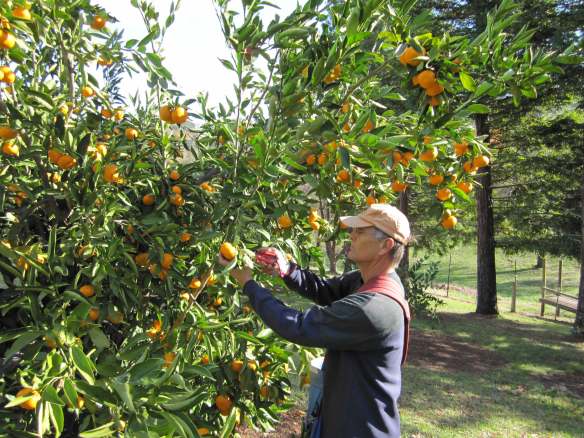
Here is Adrian beginning the mandarin harvest. A fully loaded tree can have over 300 pounds of fruit!

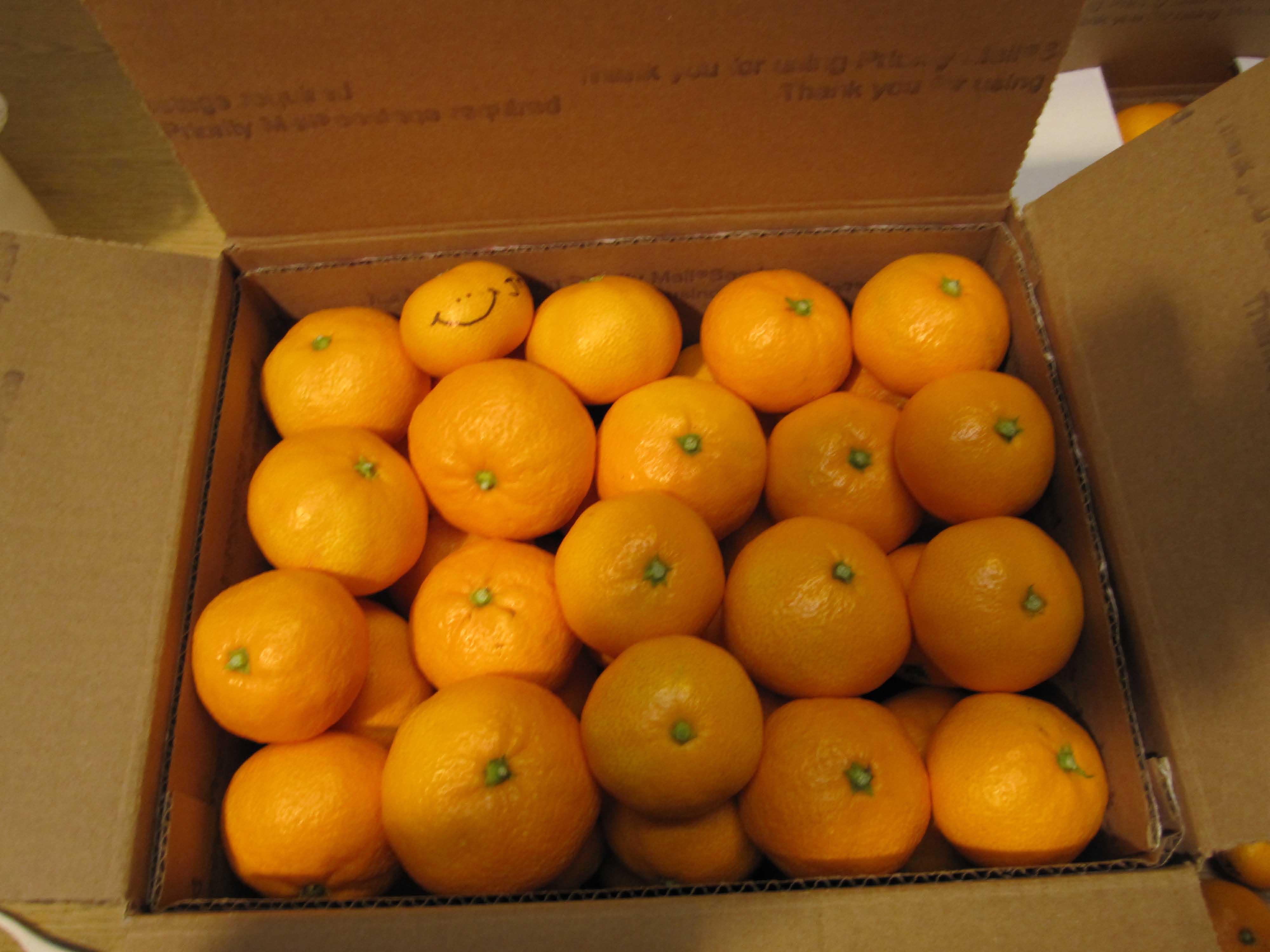
Our Satsuma mandarin harvest usually begins around the first of December (if the weather cooperates!). Our Satsumas are grown by us (Dayna and Adrian Burgeson) on our small family farm, and are hand selected for ripeness, picked and packed by us in USPS Priority mail boxes and shipped immediately. We guarantee the quality and freshness of our fruit. Our mandarins make a great tasting, healthy and environmentally sustainable holiday gift.

Every mandarin is inspected by us when picking, and again when packing the box. We guarantee beautiful fruit for you and your loved ones this holiday season.

We are no longer taking orders for shipped boxes for the 2012 season. Check back with us in November, 2013 to place your order for next year’s harvest. Thank you to all of our great customers who once again purchased everything that we had to sell!

Food Day 2012: From Garden to Table References

For Food Day this year I presented a lecture again for UC Davis Medical Center Employees and the topic was gardening. I admit, although I have a Satsuma Mandarin farm, I feel like I am still a novice when it comes to gardening. I have no advanced degrees or formal training, and everything I know about growing food is partially due to reading books and looking stuff up online, but mostly due to trial and error. However, there are a few references and resources that I go back to again and again, year after year, and I thought I would use this post to share these references with my readers and those who attended my talk yesterday.

Here is a photo of our fairly traditional garden, taken in the spring.

From the back to the front and left to right you can see raspberries, English peas, artichokes, onions and garlic, “Lacunato” kale, chard, shallots, thyme, rosemary, parsley, dill, mesclum salad mix, “Little Gem” lettuce and “Bloomsdale” spinach.

Almost all of my favorite seeds come from the following 4 companies:

Baker Creek Seed company: http://rareseeds.com/

Renee’s Garden Seed: http://www.reneesgarden.com/

Peaceful Valley Farm Supply: http://www.groworganic.com/

Botanical Interests: http://botanicalinterests.com/

These are recommended sources in the Sacramento/ Northern California area for plants and seeds:

Peaceful Valley Farm Supply Grass Valley: http://www.groworganic.com/

Eisley’s Nursery Auburn: http://www.eisleynursery.com/

Harmony Farm Supply Sebastopol: http://harmonyfarmsupply.com/

Orchard Supply: http://www.osh.com/

Sacramento Natural Foods Coop: http://www.sacfoodcoop.com/

Whole Foods Market: http://www.wholefoodsmarket.com/

Talini’s nursery East Sacramento: http://www.talinisnursery.com/

Next, my favorite gardening books (I admit, these are oldies and may only be available used). When I started gardening, the web was not available, so I had to look every thing up in books. Can you imagine that?!!“How to Grow More Vegetables” by John Jeavons, “Vegetables: How to Select, Grow and Enjoy” by Derek Fell (HP Books) and The Sunset New Western Garden Book.

Of course, nowadays, most of us use the web instead. How lucky are modern beginning gardeners to have so many great online gardening resources available for free? These are some great links:

Peaceful Valley Farm Supply   www.groworganic.com

Dave Wilson Nursery  http://www.davewilson.com/

UCDavis Garden Web  http://ucanr.org/sites/gardenweb/

UCDavis Home orchard  http://homeorchard.ucdavis.edu/

The following download is a full gardening book for beginners:

Vegetable garden handbook for beginners http://ucanr.edu/blogs/food/blogfiles/12709.pdf

This download is a vegetable planting guide. I like it because it has planting dates and harvest dates. Many guides only list planting dates:
UC Davis Plant Science Vegetable Planting Guide:
Even though I like to use the web as a primary gardening resource too now, I have found that when I am pruning fruit trees, I want to take a book out in the field that I can refer to while pruning.  The following are my well worn pruning handbooks:
The Sunset Pruning Handbook, Pruning: How to Guide for Gardeners by HP books, and my all time favorite: How to Prune Fruit Trees by R. Sanford Martin.
Years before he became famous for his book “The Omnivore’s Dilemma” I read “Second Nature: A Gardener’s Education” by Michael Pollan, and it has remained on my short list of all time favorite books ever since.  It is highly recommended as an entertaining and enlightening read on the challenges and rewards and philosophical dilemmas of gardening. You might call it his “gardener’s dilemma”.
Finally, you will want to know what to do with all that beautiful food you have grown. The next step from planting and harvesting is preservation of the harvest. I highly recommend using a reputable source for preserving food, especially when canning and drying. The following are my trusted sources for food preservation:

National Center for Home Food Preservation: nchfp.uga.edu

Ball Blue Book :

http://www.freshpreservingstore.com/blue-book-guide-to-preserving/shop/229696/

Also Ball has a good website with recipes: http://www.freshpreserving.com/home.aspx

UCDavis: includes USDA Complete guide to home canning pdf download: http://ucfoodsafety.ucdavis.edu/files/26457.pdf

UC Davis home food preservation and storage website:

http://ucfoodsafety.ucdavis.edu/UC_PublicationsUC_Home_Preservation_and_Storage_Publications

Check back on this site in the future when I will post my all time favorite plant varieties for edible gardens in my Placer County California climate.

Garlic culture: successes and failures of a novice

Flowers form on the stalks of hard-necked garlic.

Well, my last post clarified my opinion on the reasons why you should know where your garlic is grown. I did not know last year that much of our garlic was coming from China, I just knew that recently I had been very unhappy with the quality of garlic I had purchased in the stores. It was often very dry, sprouting, and green in the center. It seemed “old”.  It also seemed to have gotten quite expensive. I had grown garlic years ago, and remembered how juicy and fresh the cloves seemed when they were first harvested, and I wanted some more of THAT kind of garlic so I decided to plant some again.

The good news is that garlic can be grown almost anywhere. My friends in Wyoming grew garlic successfully, even with their crazy weather. It is all about choosing the right variety. Garlic also is very space efficient, so you do not need much room to grow garlic. In fact, you could probably grow the average American yearly supply of fresh garlic (about 3 pounds) in a few  good-sized pots on your deck. Hopefully, I have motivated you to think about growing your own garlic if you have not done that yet.

We planted our garlic last fall, and began our harvest in mid June.  It has been a long time since we grew garlic successfully, and as a result, there are a few things I had forgotten that I had to “learn the hard way” this year.  I thought I would share with you a few lessons I re-learned this year.

1) Garlic should be planted in the fall. Last year we tried to plant in the spring, and ended up with tiny little heads.

This is a garlic plant in our garden which I photographed this winter

Garlic is one of the crops you just plant and sort of forget about. In cold winter areas you might put a bit of a mulch over it, but for us, we just stick it in the ground, control the weeds and wait until Spring. It is easy to grow and if you pick the right variety, you can grow it almost anywhere.

2) Make sure to plant the garlic cloves with the root (flat end) down and the top (pointed end of the clove) pointing up. It seems obvious, but I gave a beginning gardener friend of mine some cloves to plant last year and she admits now she planted a few of them upside down!

3)  Don’t wait too long to harvest. This is especially important for the garlic that has a thin outer skin with large cloves such as the hard-neck type of garlic.  For example, Spanish Rojo has amazingly large, easy-to- peel cloves, but should be harvested when only a few of the lower leaves are dead.  If you wait until the majority of the top of the plant has died, the skin on the outside will become too thin and the cloves will bust out of their skin, like this:

This garlic was harvested too late and the cloves are separating from the head

A garlic like that cannot be sold, and is not going to last very long either. In general, harvest garlic when only some of the bottom leaves have turned yellow and died.

The two other types of of hard necked garlic we grew, Kilarney and Metechi, took longer to mature and we got decent heads with not as much separation of the cloves as the Spanish Rojo. However the Spanish Rojo cloves were giant and easy to peel, so they definitely are worth growing again.

4) Dig out the garlic heads carefully with a shovel.

Do not try to pull them out by their tops, even if the soil has been loosened. If there is any resistance, especially with an over-ripe head of garlic, the top will come off from the top at the base, like this:

          Top of the garlic separated from the head

This is another garlic that cannot be sold or stored.

5)  When digging the garlic, give a wide berth. Some of the heads of the Spanish Rojo garlic were monsters, much bigger than others, and I ended up nicking some cloves with the shovel.

These cloves of garlic were cut by the shovel while digging the heads out.

This is one more head of garlic that cannot be sold or stored.  I am starting to think homemade garlic powder would be a good use for all of this booboo garlic! I also will try freezing some. Even the longest lasting garlic only stores for 8-9 months max, and I think frozen home-grown garlic would be an improvement over the shriveled-up and green sprouting (Chinese?) garlic left in the the grocery stores at the end of the winter!

6)  After storing your garlic for several weeks in a shaded dry place, clean it up. Rub off the outer dirty skin leaving as much intact skin as possible to protect the cloves. Remove all the dirt from the roots and trim them up if you like. You can also clip off the top of the plant leaving just the bulb. However, I have read that the garlic stores best if you leave as much of the roots and top of the plant as possible.

7) If you grow several varieties of garlic, grow some that are good ” keepers”. When you harvest your crop, know which garlic lasts better in storage and which doesn’t. Use the most perishable garlic first. I grew 5 varieties of garlic this year.

The garlic varieties we grew (from left to right)

Back row:  Metechi, Kilarney, Spanish Rojo (all hard-neck) and not great keepers

Front Row: Silver Rose and Ichilium (both soft-neck) and good keepers

As a side note: supposedly the hard-neck varieties of garlic we grew are said to grow better in places with cold winters. We do not have cold winters here at all, with seldom even a frost, but other than the few over-ripe Spanish Rojo garlic heads, we grew beautiful large heads of garlic successfully.  Since over 80 percent of the commercial garlic grown in the US is grown in California, my guess is most varieties will grow here successfully.

One way to store soft neck garlic is to make a garlic braid. I am very proud of the braid I made with the Ichilium garlic I grew this year. It is the first time I have made a garlic braid. The directions on this website were very helpful.

Ichilium garlic braid

8) Pick out some of the best heads to save for planting in the fall for next year’s crop.  Each clove of garlic will be planted to make a new head of garlic so keep that in mind when you are deciding how much to save. If you notice ANY white fungus on the heads of garlic at harvest, do not save those cloves, and do not reuse that area for growing garlic again.

Overall, we got a good sized harvest, some of which as you can see here.  This cart contains only the Spanish Rojo, but we had 4 other varieties to harvest as well!

All of the garlic was cured in a shaded, dry spot with plenty of air circulation (ie our garage with the garage door open during the day) for several  weeks. Then we cleaned up the heads by rubbing off the dirt, tied them in bunches by variety and stored them on these racks in a cool, dry place.

Garlic bunches on racks for storage

A few nutrition notes:

The health benefits of garlic are still being clarified, but the strongest research so far suggests that garlic has natural compounds that thin the blood. Small blood clots are often the initial insult that leads to a heart attack. Garlic also seems to have anti-bacterial properties although how this works once the garlic is eaten is still unclear. In addition garlic contains compounds that have anti-inflammatory effects. Studies on the health benefits of garlic have focused on it’s role in the prevention of cancer, heart disease and infectious disease.

How about you? Have you grown garlic successfully? What challenges have you faced? What varieties have grown well, or not, in your area? Feel free to share your comments:

My Garlic culture conundrum (or why garlic is like a canary)

It started as a simple enough blog post.  This winter I grew garlic successfully for the first time in many years,  but in the process of harvesting it I made some mistakes and thought I would share them with my readers.  I had a few pictures, thought it would be fun, something light and simple. I started the blog post, then figured I would look up a bit on the web about garlic culture in California, that type of thing. I walked away from my computer 3 hours later shaking my head and steaming about the degradation and outsourcing of our food supply. Thus my conundrum. Should I let it go, stay with the simple fun blog post, or should I go down the rabbit hole in this post, covering at least a bit of what I gleaned? That is my garlic culture conundrum. Should I tell you why garlic is like a canary  in a coal mine when it comes to the safety and security of our food supply? Well, if you know me by now, you know what decision I made….

Garlic is one of the most common ingredients in a traditional Mediterranean diet. It is an essential component of sauces such as pesto (Italy)  skordalia (Greece), aioli (Southern France), and alioli (Spain), and of course garlic is used liberally in a variety of recipes as a flavoring for meat, fish, poultry, vegetables. legumes, rice, pasta and casserole dishes. Besides olive oil, there is no more ubiquitous ingredient in Mediterranean cuisine. Throughout history, garlic has played an important culinary and medicinal role in Mediterranean culture.

California has it’s own special garlic culture. The world famous Gilroy Garlic Festival is held this month on the coast of California, however in truth, most of California’s Garlic is now grown in the Central Valley where land is less expensive and there have been less problems with fungal disease. White rot, a fungal disease that renders soil unusable for garlic production, has been a challenge faced by California growers but much of California’s garlic culture is now threatened by economic forces as well.

Less than 15 years ago, California produced almost all of the garlic sold in the United States.   Now, China produces more than half of the garlic sold in the United States. In the late 90s China began flooding the market with inexpensive garlic, putting California growers out of business. Questions have been raised about the contamination of Chinese garlic with lead, sulfites and other unsafe compounds, as the food safety regulations in China are known to be lax.  Land in California is expensive, and California has some of the most stringent pesticide and food safety regulations in the world, so growing garlic in California is more expensive than growing garlic in China. California farmers just could not compete and in the last decade the amount of California land devoted to growing garlic has been cut in half.

The American consumer has more than doubled their intake of garlic over the same period of time. California garlic has been shown to have a higher sugar content (Brix) than Chinese garlic which is a factor associated with improved taste. I wonder if many consumers even know what good quality garlic is suppose to taste like.

Garlic powder and dehydrated garlic are another significant area of concern as over 75% of the garlic American’s eat is in this processed form. The majority of our garlic powder comes from China. The rapid expansion in our dependence on foreign foodstuffs seems to have left the FDA in the lurch and they are rushing to catch up by expanding their programs for inspection of imported foods. One of the primary reasons for their increased focus on imported foods is their recognition of pesticide contamination of foods grown in China in general and heavy metal contamination of Chinese garlic powder in particular. Look on the shelves of your pantry. How much of your packaged food contains garlic, garlic powder or dehydrated garlic? Again, most of this garlic is from China. Even “organic” garlic is often from China, but it appears their organic certification methods are also questionable. Unfortunately, as we are all well aware, the FDA is one of those “big federal programs” slated for budget cuts whenever deficit reduction talks get going. So if you think the FDA is protecting your health in this area, even they admit they are not adequately staffed to do so at this time.

Have you noticed that over the past few years while the quality of garlic in the stores has been especially poor the prices have been very high? I did, which is why I went back to growing my own garlic again. In 2009 a drop in the world supply of garlic, increased demand for garlic in China as an herbal remedy to protect against flu and speculation in garlic by Chinese investors lead to a tripling of the wholesale price for garlic. But there were only half as many California growers to make up the gap. So now we were left with high prices AND poor quality.

What crop will it be the next time?  As more and more of our food production is outsourced to China, Mexico, Chile (and the next new frontier is Africa) due to American’s demand for cheaper food, regardless of the quality and safety, California farms are closing down and going out of business. California at one time was the primary source of the fruit consumed in America. Now more than half of our fruit is imported. If more and more farms close down, and we can no longer feed our country, what security will we have? We have already seen garlic fall prey to the whims of one country and the shrewd speculations of a few investors.  What will be next? And what will happen as the price of fuel continues to rise and we are dependent upon shipping our food all over the world because we have lost our local productive farms? And let’s not even get into the discussion about the carbon footprint of all of this.

Where is the garlic you eat grown? If you live in the US, hopefully it is grown locally or in California, not shipped all the way from China. One way to tell is by the roots. American garlic has some of the roots left on the bottom. Due to USDA regulations to prevent importation of contaminated soil Chinese garlic has every bit of the roots cut off of the bottom of the head. Here is an example of the Chinese garlic. Notice that the root area is actually indented as the roots are carved away completely.

Chinese garlic: bleached white, with all root mass and dirt carved away from the bottom

Here is an example of California grown garlic with the bits of root still attached to most of the heads:

California grown garlic, with a more natural color, and root mass still visible on the bottom of most of the heads.

Unfortunately it appears you cannot trust all of the stores to be honest about where the garlic comes from. The garlic shown below was being sold at Sunflower “Farmer’s Market”  in Roseville, CA.  I have been advised by the consumer affairs department at Christopher Ranch garlic, the largest garlic company in the United States, that there are NO American growers that pay the extra expense to have the roots removed from all of their garlic as it is not legally required for American grown products. Don’t you just love the little USA sign next to this garlic that has been processed in the way that only imported garlic is processed?

Garlic processed in a manner associated with imported garlic only (all root material removed from every head), but marked as “Product of the USA” . Photo taken at Sunflower Market in Roseville, California.

I wonder if there are other fruits and vegetables imported from China, Mexico or whatever, that are also mislabeled. With garlic one can see the difference, but what about green beans, zucchini, peppers? I did email the USDA regarding my finding at Sunflower, but I got no response, so I am curious as to whether anyone actually enforces the Country of Origin labeling laws. If you are paying extra for American or California Grown produce, it seems it is not clear that you are always getting what you are paying for. Another reason to buy from a local farm, CSA or a real “farmer’s market”.

Well. now that I have gotten THAT off of my chest, I would like to get back to the subject at hand, which was originally my garlic culture successes and blunders. However, I have exceeded by far the recommended length for one blog post. Rather than overwhelm you with so much to think about at one time, today I will let you ponder all the reasons why you really should find a source of local garlic, or better yet grow your own. In a few days check here again for my next blog post about my tips on growing garlic.